Key takeaways
A fake prize scam impersonates a well-known brand and promises you a reward for completing a short survey.
Everyone "wins," and then you're asked to pay a small shipping fee, which is really a trick to steal your card details.
The links are disguised with redirects and URL shorteners, so they often slip past email filters and look harmless.
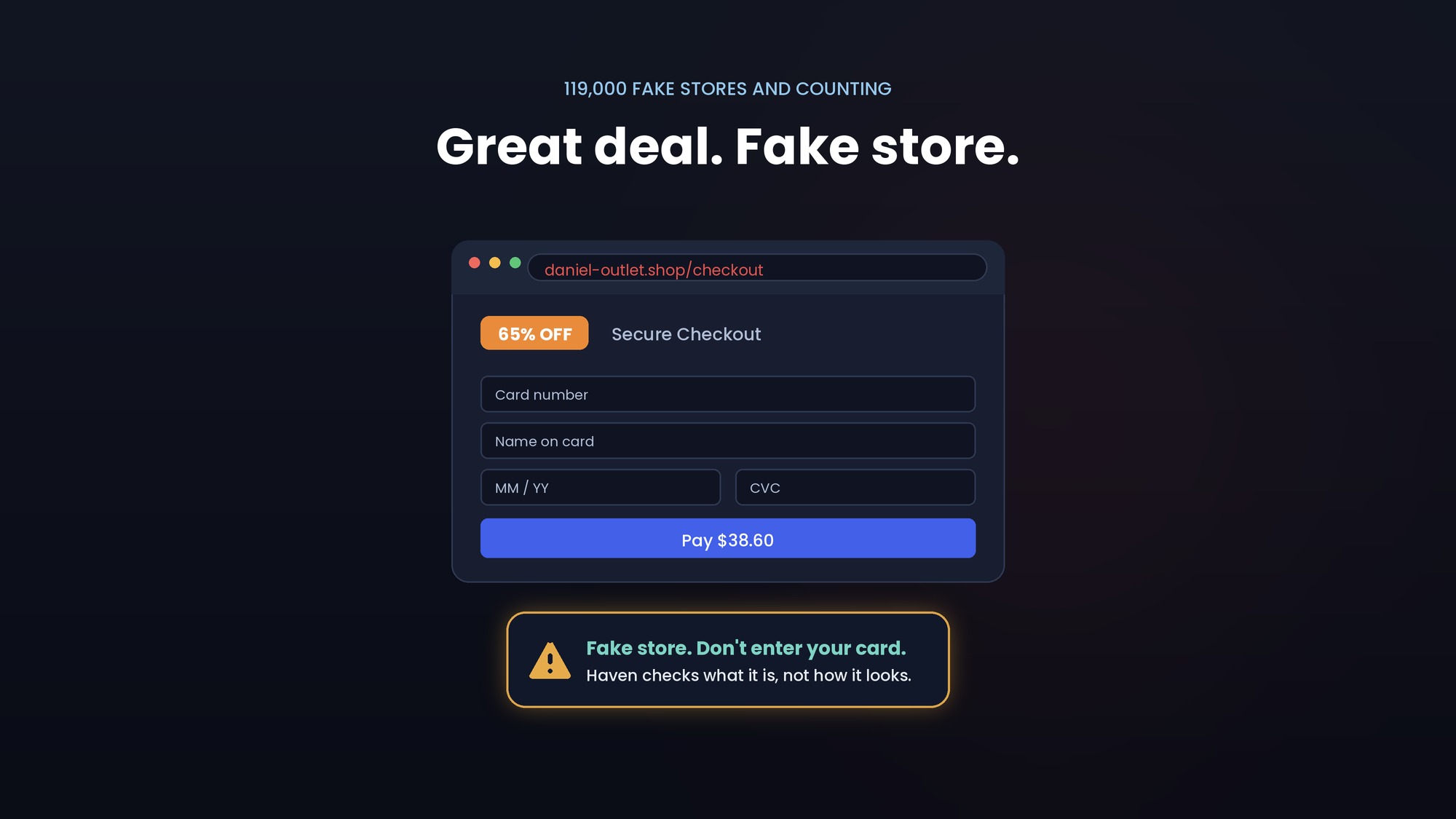
The real giveaway is the page itself: it's a lookalike site, not the brand's genuine domain.
Never pay to receive a prize, and never enter card details on a page you reached from an unexpected message. Go to the brand's real site directly.
You get a message saying you've won a prize from a brand you actually shop with. All you have to do is take a short survey and cover a small shipping fee. It feels lucky. It is a scam, and the "shipping fee" step exists for one reason: to get your credit card details.
These fake prize scams are effective because they borrow the trust of real brands and add just enough pressure to make you act before you think. Here is how they work and how to spot one before you type your card number.
How the fake prize scam works
Security researchers at Akamai documented a phishing kit that impersonated well-known brands to target shoppers in the US and Canada, reported by BleepingComputer. Brands like Costco, Sam's Club, Dick's, Tumi, and Delta were spoofed. The pattern is one you'll see again and again, and it goes like this:
A message arrives saying you've won a prize or been selected for a special reward from a brand you recognize.
You click through and land on a page that looks like the brand, complete with a short survey and fake testimonials from other "winners."
A countdown timer adds urgency, so you feel like you have to finish quickly.
Everyone who completes the survey "wins." Then you're asked to enter your credit card to cover shipping.
There is no prize. The card details go straight to the scammer, who uses them for fraudulent purchases.
It's simple, and it works because the pieces feel familiar: a real brand name, a plausible reward, and a little pressure.
Why these scams slip past filters
Part of what makes this kind of scam dangerous is how well it hides. The attackers don't send you straight to the fake page. They use chains of redirects and URL shorteners so the link looks harmless, and they abuse the good reputation of legitimate cloud services to get through security checks. In the campaign Akamai studied, the kit even hid part of the destination in a way that email scanners and traffic-inspection tools overlook, so the malicious page could sail past detection.
The takeaway for you is uncomfortable but useful: you cannot always trust that a link is safe just because it made it to your inbox and looks clean. By the time the fake brand page loads and asks for your card, the disguise has already done its job.
The moment that matters: the fake page
Here is the reassuring part. However cleverly the link is disguised, the scam still depends on one thing, getting you to enter your details on a fake page. And a fake page cannot perfectly be the real brand. It lives on a lookalike domain, not the genuine one. That is the reliable tell.
The problem is that a lookalike domain is easy to miss when the page looks pixel-perfect and a timer is ticking. The logo is right, the layout is right, and you are focused on the "prize." Most people glance and type. That is exactly the moment a browser-security tool is built for.
How Haven helps
Haven is designed to catch fake and impersonated pages at the moment you are about to enter your information. It analyzes the actual page in front of you, not just how it looks or how you got there, so when a page imitates a trusted brand on a lookalike domain to run a fake prize or survey scam, Haven flags it as fraudulent and warns you before you type your card number.
That matters here because these scams are built to defeat the checks that happen earlier, at the email or the link. Haven works at the page itself, the step where the theft actually happens, so a disguised link and a convincing lookalike still get flagged. If you are unsure about a link, you can also paste it into Haven's free link checker before you click.
No tool replaces basic caution, and we won't claim that. What Haven covers is the decisive moment, the fake brand page, which is where a fake prize scam turns into a stolen card.
How to protect yourself
A few simple rules stop almost all of these scams:
Be suspicious of any "you won a prize" or "complete this survey" message you did not expect, even if it names a brand you use.
Never pay to receive a prize. A real reward does not require your credit card for "shipping."
Don't trust the link. Go to the brand's real website directly by typing the address or using its app, and check whether the promotion actually exists.
Check the web address before entering anything. A lookalike domain is the clearest sign of a fake.
Use a card with fraud protection, and if you did enter your details, contact your bank right away.
The scams evolve, but the core move is always the same: borrow a trusted brand, create urgency, and get you to a fake page. Slow down at that page, and the whole thing falls apart.
About Haven
Haven is a browser extension that helps you make safer trust decisions online, before a scam can cost you anything. It works at the moment you are about to click a link or enter your information, flagging fake and impersonated pages, suspicious links, and lookalike sites. Rather than only checking a page against a list of known-bad sites, Haven analyzes the actual page in front of you, so it can catch brand-new and convincing fakes that other tools miss.
Haven is free for individual use. For teams, Haven for Business extends this browser-level protection across every employee, and Haven for MSP lets managed service providers deliver it across their clients. Haven is operated by MirrorTab, Inc.
FAQs
I won a prize from a brand I shop with. Is it real?
Probably not, if you did not enter a contest and the message arrived unexpectedly. Fake prize scams impersonate well-known brands and promise a reward to lure you into a survey and then a "shipping fee" that steals your card. Verify by going to the brand's official website directly, not through the link in the message.
How does a fake prize or survey scam work?
You receive a message saying you have won a prize from a trusted brand. You are sent to a lookalike page with a short survey, fake testimonials, and a countdown timer for urgency. After the survey, you are asked to pay a small shipping fee with your credit card. There is no prize, and your card details are stolen.
Why did the scam link get past my spam filter?
These kits are built to evade filters. They use redirect chains, URL shorteners, and abuse of legitimate cloud services to make the link look harmless, and they hide part of the destination so scanners overlook it. That is why a link reaching your inbox and looking clean is not proof it is safe.
How can I tell if a brand's prize page is fake?
Check the web address before entering anything. The scam has to use a lookalike domain, not the brand's genuine one, so an unusual or slightly-off address is the clearest sign. Do not rely on the logo or layout, which are easy to copy. A browser-security tool like Haven can flag a fake brand page automatically.
What should I do if I entered my card on a fake prize site?
Contact your bank or card issuer immediately to flag the card and watch for fraudulent charges, and ask about freezing or replacing it. Change any passwords you entered, and monitor your statements over the next few weeks. Reporting the scam to the FTC at reportfraud.ftc.gov helps warn others.
How does Haven help against brand impersonation scams?
Haven is a browser extension that detects fake and impersonated pages and warns you before you enter your information. Because it analyzes the actual page rather than trusting how it looks or how you arrived, it can flag a fake brand prize or survey page on a lookalike domain even when the link was disguised. Haven is free for individual use.
Is Haven free?
Yes. Haven is free for individual use. Haven for Business and Haven for MSP extend browser-level protection to teams and managed service providers. Haven is operated by MirrorTab, Inc.